The Core Act of Surrender: Prostration’s Ancient Roots Across All Faiths
The posture of prostration, where one kneels and touches their forehead to the ground, is a profound and ancient form of worship that transcends any single religion. It is not exclusively a practice of Islam, but rather a fundamental human expression of humility and acknowledgment of a divine, greater power. This deep physical bow is found in many spiritual traditions across history and the modern world, serving as a basic, universal gesture of prayer and devotion.
- The Universal Knee-Bend: Prostration as the Primal Prayer
- Earth to Heaven: The Global Language of Prostration
- The Humbling Posture: Why the Forehead Meets the Ground
- Beyond Doctrine: Prostration as Humanity’s Basic Acknowledgment of God
- The Core Act of Surrender: Tracing the Ancient Roots of Prayer
- The Core Act of Surrender: A Universal History of Prostration
- The Core Act of Surrender: Prostration’s Ancient Roots Across All Faiths
- The Ground of Devotion: Prostration as Humanity’s Ancient, Universal Prayer
- The Basic Posture of Prayer: Tracing the Universal Act of Surrender
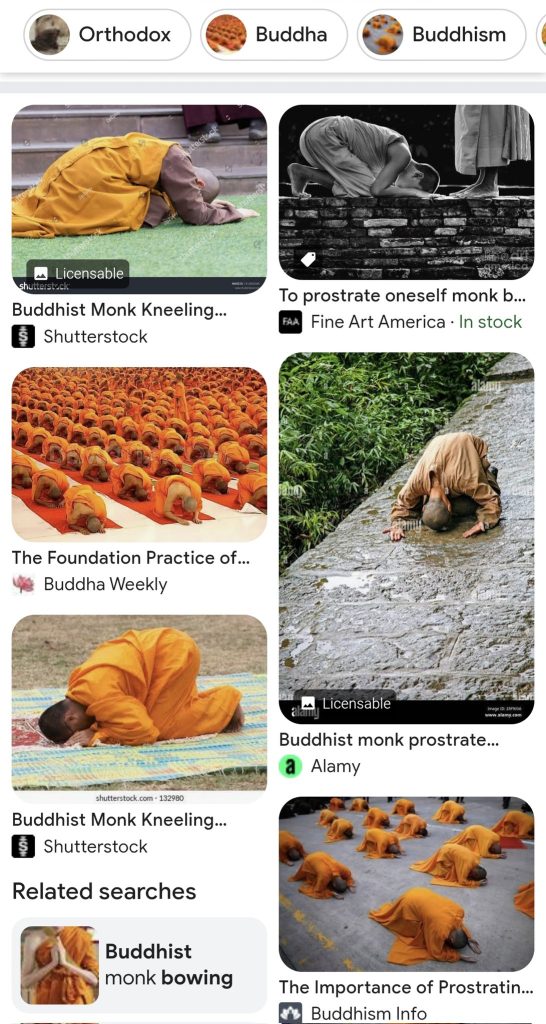
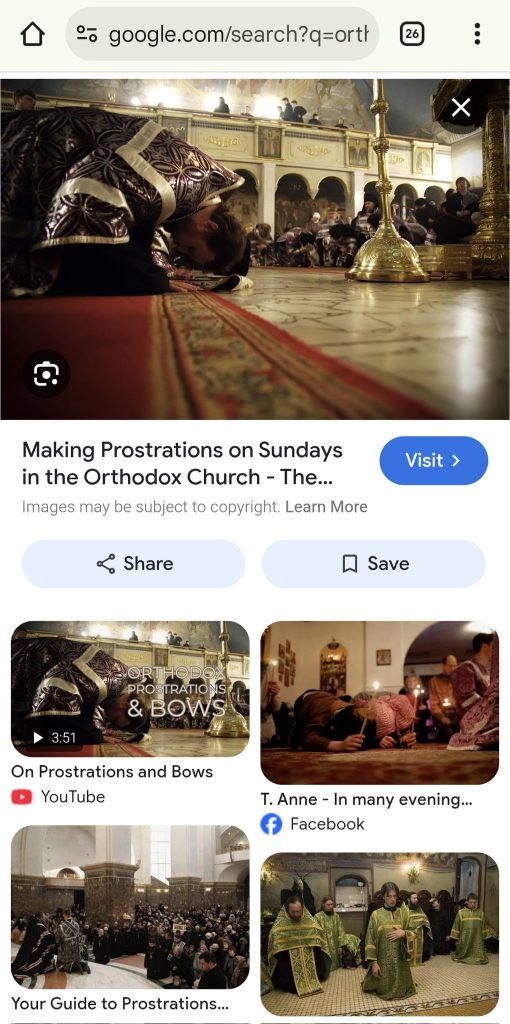
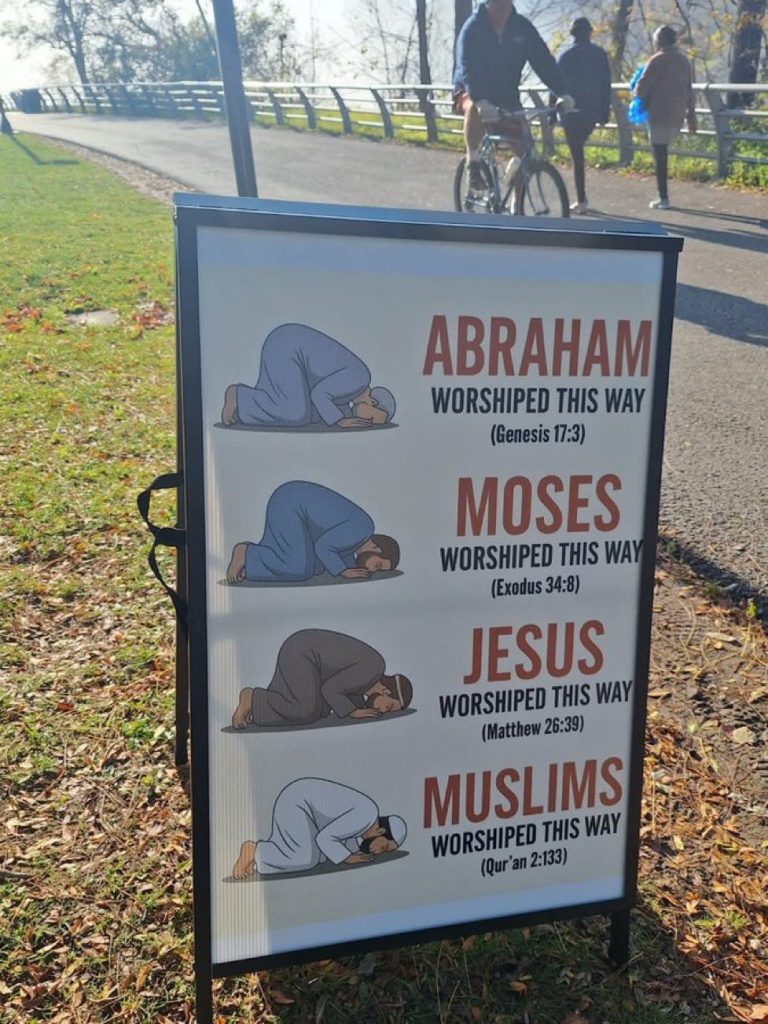
Various spiritual practices utilize this posture to signify complete surrender and reverence. For instance, Orthodox Christians perform prostrations, known as metanoia, as intense acts of repentance and prayer, although they are generally restricted on Sundays. Similarly, Buddhists engage in full-body prostrations, particularly in the Tibetan tradition, as a practice to purify negative karma, cultivate humility, and deepen their commitment to the path . Furthermore, the sign in one of the images rightly points out that figures revered in the Abrahamic faiths—such as Abraham, Moses, and Jesus—are described in their respective scriptures as adopting a similar posture in moments of intense prayer or divine encounter, demonstrating its deep roots long before the advent of Islam .
Table of Bible Verses About Prostration (Falling Face-Down to the Ground)
| Person / Group | Verse | Summary |
|---|---|---|
| Abraham | Genesis 17:3 | Abram fell facedown as God spoke to him. |
| Abraham | Genesis 17:17 | Abraham fell facedown and laughed. |
| Moses | Exodus 34:8 | Moses immediately bowed to the ground and worshiped. |
| Moses | Numbers 16:22 | Moses and Aaron fell facedown before the Lord. |
| Moses | Numbers 20:6 | Moses and Aaron fell facedown when the glory of the Lord appeared. |
| Joshua | Joshua 5:14 | Joshua fell facedown before the Commander of the Lord’s Army. |
| Joshua | Joshua 7:6 | Joshua fell facedown before the ark of the Lord until evening. |
| The Israelites | 1 Kings 18:39 | All the people fell facedown and cried, “The LORD—He is God!” |
| David | 1 Chronicles 21:16 | David and the elders fell facedown before the angel of the Lord. |
| David | 2 Samuel 12:16 | David lay prostrate on the ground in fasting and prayer. |
| Ezra | Ezra 10:1 | Ezra prayed, wept, and fell prostrate before the temple. |
| Job | Job 1:20 | Job fell to the ground and worshiped after hearing tragic news. |
| Daniel | Daniel 8:17 | Daniel was terrified and fell facedown before the angel. |
| Jesus | Matthew 26:39 | Jesus fell facedown in Gethsemane and prayed. |
| Jesus | Mark 14:35 | Jesus fell to the ground and prayed. |
| A Leper | Matthew 8:2 | A leper knelt before Jesus and worshiped Him. |
| Jairus | Mark 5:22 | Jairus fell at Jesus’ feet pleading for help. |
| A Demon-Possessed Man | Luke 8:28 | The man fell down before Jesus. |
| The Sinful Woman | Luke 7:38 | She knelt at Jesus’ feet with deep humility. |
| The Disciples | Matthew 17:6 | The disciples fell facedown during the transfiguration. |
| The Elders in Heaven | Revelation 7:11 | The elders and angels fell facedown and worshiped God. |
| The Elders in Heaven | Revelation 11:16 | The elders fell facedown and worshiped the Lord. |
| The Elders in Heaven | Revelation 19:4 | The elders again fell facedown in worship. |
Ultimately, the act of prostration is a primal, non-verbal language of the soul. By lowering the self to the ground, the worshipper physically expresses their complete submission, dependence, and respect for the ultimate source of power, whether that is God, the Buddha, or the transcendent divine. It is a universal gesture where the highest part of the body, the head, touches the lowest point, the earth, symbolizing the emptying of the self to be filled with the divine presence.